

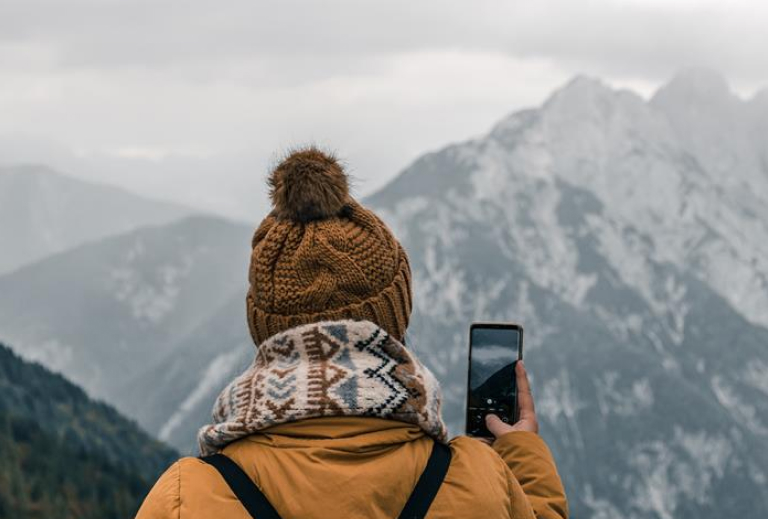
The future of tourism in the Alps is not only based on its majestic mountains and slopes, restaurants and après-ski, but also the staggering increase in digital marketing within this industry.
From apps and blogs to geo-targeted real-time notifications and online narratives, digital marketing offers increased opportunities to reach people across the globe for magical year-round travel experiences.
As individuals seek travel plans more and more online, travel boards, ski resorts, lodgings and shops must capitalize upon this interest through their websites and social media platforms.
The future of tourism in the Alps is digitized. This article outlines how digital marketing is impacting the future of tourism in the Alps and why it matters.
The Social Media Storytelling of the Alps
Social media stands to be one of the most effective channels of marketing and perception for travelers focused on the Alps. Turin to Cervinia ski transfers often appear in this content, showing travelers how easy it is to reach iconic Italian slopes featured in viral photos and videos.
Photos and reels of the breathtaking mountains, frozen peaks at sunrise, beautiful and still lakes, picturesque chalets and winding ski slopes dominate platforms like Instagram, TikTok, and YouTube that act as modern postcards for international travelers.
The more people who see these images, the more they fantasize about being in such situations and for many, it’s a reality. Journeys are created by influencers and travel bloggers alike who carve out moments in the Alps for followers to appreciate their authenticity along with newfound information that inspires a similar journey.
For destinations, it’s not just a marketing channel but a new form of value that renders them globally appreciated and an active part of how travelers today dream and plan.
Targeted Marketing To Attract Visitors
Digital marketing transforms the channel through which residents and travelers can approach the Alps. Never before have destinations been more capable of targeting visitors through detailed breakdowns of their preferences.
Gone are the days solely of broad marketing campaigns; digital settings allow for those who travel to be identified by demographics, interests, travel patterns, and more.
A woman sitting in Dubai looking to book her next winter escape might find herself seeing ads for Swiss ski resorts while a mom family in the UK is tempted by kid-friendly villages in the Alps.
This targeting not only ensures that marketing budgets are allocated to those most likely to respond, but it creates a personalized experience for travelers who recognize destinations that perfectly suit their needs.
This transforms general value into specific and personal messaging that boasts engagement, booking opportunities and deeper satisfaction levels.
Search Engine Optimization Giving International Attention
With international travelers beginning their escapades online, SEO has become essential for anyone hoping to attract visitors to the Alps.
Ski resorts, hotels and tour operators need to establish their online presences as a way of ensuring their websites run with optimal keywords, focuses on the most relevant information and through attractive layouts and accessibility.
This allows travelers to easily identify ski passes, hiking trails, places to stay and transport options on the way to remote locations. For small villages and independent business owners, SEO levels the playing field where they too can be discovered with relevant information as easily as larger competitors.
With clever SEO practices, even the most remote destinations can gain international interest from those actively searching for unique experiences. SEO helps transform online quests into real journeys spanning miles through such mountain environments.
Real-time Information Facilitating Traveler Experience
With the use of mobile apps, resort dashboards, and social media, digital communication reveals real-time information that encourages the visitor experience.
Skiers check snow reports, lift conditions, weather predictions, and capacity; hikers dive into trail maps, alerts, and paths; and hotels reach travelers instantly with confirmations, check-in and special offers via e-mail and push notifications.
Reducing unknowns and offering critical information at every traveler juncture adds convenience and trusted satisfaction. Travelers may choose to extend their stay or return sooner than expected when they are granted ease of access to correct information at the right time. This is a new standard in Alpine tourism.
Immersive Digital Experiences Preceding Travel
Virtual reality, 360-degree experiences, and digitized maps allow travelers to experience the Alps long before they even get there.
These increasingly attractive forms of digital content help visitors feel as though chalets, slopes, trails and wellness retreats are right at their fingertips.
Should a traveler be confused about accommodations on a long-haul trip or luxury stay, virtual tours, aerial drone footage of regional attractions and hotels’ virtual walkthroughs of rooms allow for previews that get guests excited.
Bridging the gap between the anticipated experience and the eventual reality – without the burden of booking first – settles many decisions. Thus, the digitization of the travel experience takes place even before a traveler hops on a plane.
Influencer Partnerships Enhancing International Exposure
Speaking of shared experiences, influencer marketing regularly impacts modern Alpine tourism. Travelers increasingly like to see where they’re going before they get there – and through trusted voices that foster emotional bonds that traditional marketing messaging can’t always confirm.
For example, when a trusted influencer shares their skiing experience, spa excursion, or stunning views, their followers understand how they may perceive the experience.
Therefore, tourism boards and resorts align with influencers to target specific markets (families, solo travelers, wellness seekers, adventure buffs, luxury travelers) to expand international exposure in growing markets like the Middle East and Asia.
It’s not only about getting the word out anymore; it’s about credibility – and real travel intentions have stemmed from such partnerships.
Hyper-Personalization of What the Alps Have to Offer Through Data-Driven Marketing
Data-driven marketing allows for hyper-personalized experiences across various aspects of travel in the Alps.
For example, if one has been researching specific hotels online or desired activities through previous bookings, tourism-related businesses can provide suggestions based on similar patterns. This means if someone is looking at ski resorts, they may receive specific packages and deals.
If someone is looking at yoga retreats, they may receive hotel recommendations with extensive spas and yoga events. They even apply this data to email marketing campaigns, loyalty programs, and push notifications on apps to present specials tailored to user preferences.
This not only makes for a better visitor experience but appeals to emotions, as it seems as though one’s preferences have truly been taken into consideration. The more personalized, the more efficient, instinctive and emotionally based tourism in the Alps becomes.
Reaching Eco-Conscious Travelers for Sustainable Tourism Initiatives
Digital marketing is also helping promote sustainability in the Alps like never before. Websites and social media channels champion resorts and tourism boards to boast their green credentials, wildlife restoration projects, and low-impact tourist activities.
Eco-conscious travelers want to do the right thing, and with various digital avenues, they can learn about electric transfers, car-free villages, sustainable production of energy, and localized food use.
When destinations weave these elements into their digital marketing strategies, they get more eco-conscious visitors who align with these goals, safeguarding the mountains for future generations.
Such digital marketing increases the relevance of change through sustainable development instead of standing aside to let tourism run rampant.
Digital Booking Systems for Enhanced Visitor Experience From Start to Finish
Thanks to online booking systems, travelers can book anything from accommodation to ski passes in a few clicks. Easily accessible digital platforms bring together airport transfers, guided tours, equipment rentals and passes in one central setting where users can evaluate costs from day to night, all for their holiday needs.
From dynamic pricing to mobile check-ins, the ease of access creates convenience for travelers and businesses alike – minimizing administrative work while maximizing bookings.
Travelers can enjoy their adventure instead of stressing about logistics; digital bookings ease time constraints and reduce stresses that consume people’s daily lives without significant effort.
Online bookings allow more accessible, flexible, and seamless Alpine tourism than ever before.
The Future of Alpine Tourism and Why Digital Marketing Empowers It
Digital marketing plays a major role in how travelers learn about the Alps, experience the Alps, and are sentimentally reflective upon it.
From intentional marketing and planned itineraries to features which foster immediate, feedback-oriented, responsive connection to all-encompassing places of communication and proactive assistance across social media channels boasting sustainability efforts, digital marketing is an asset at each stage of the tourism life cycle.
This connection not only keeps the many sites within the region connected to travelers across the world eager for more – helping them form their own identities in the process – but it keeps the industry ongoing and functional with competitive aspects of a digital age.
Yet perhaps most importantly, it creates a traveler experience for levels never before seen, a sensibility for an easy transition from citizen or worker to traveler for even easier, inspiring access for amazing memory making.
Thus, with such developments coming from a once-established region since time immemorial based on centuries of tradition, one knows that the Alps will remain a connected destination for years to come – from traditions persisting, digitally marketed to empower and transformed by fluctuating traveler expectations.
Mobile Apps Making On the Ground Operations Better
Mobile apps are some of the most helpful aspects for travel in the Alps when the digital divide meets on-the-ground needs.
For instance, many ski resorts have begun using mobile apps to tell patrons what the weather is like, how much snow has settled, what lifts/trails are open, what trails are suggested, and even how many people are standing at various lines.
Some mobile apps even have GPS-marked hiking trails, avalanche alerts for downhill enthusiasts, even dining establishments with specific menu options along the way.
Furthermore, mobile apps allow patrons to track their runs throughout the day to establish their numbers or book ski lessons or spa appointments without going back to reception – in the middle of nowhere – or taking time away – at a lodge – to wait in line.
Mobile apps digitize empowerment at the tips of patrons’ fingers to appreciate their world without stopping every few minutes to figure things out.
Mobile apps keep patrons one step ahead with little effort exerted in one of the world’s most beautiful places.
User Generated Content Establishing Reliable Destination Marketing
Perhaps one of the most helpful aspects of digital marketing comes from user-generated content (UGC) – photos, videos and reviews disseminated online by everyday travelers who experience what they thought they knew – or wanted to experience – and document it for potential traveler’s through their lens.
UGC presents authentic moments – from sunrise captures atop peaks to moments after blissful massages at Swiss spas, from entertaining après ski outings to contemplative stares at Lac d’Annecy at sundown to comfortable mornings in rustic chalets with fresh baked bread and hot chocolate.
UGC carries a greater emotional resonance because it appears genuine; modern-day travelers seek out real experiences over professionally marketed opportunities.
Thus UGC becomes an enhanced appeal for interest and booking inquiries based on what truly is found – filtered or unfiltered – during travel.
Many destinations in the Alps encourage such sharing by nature of quirky hashtags or re-shared community images welcoming those who never thought they’d become a part of a united quest or thriving digital community.
UGC has an unprecedented appeal as it becomes digitally promoted all while successfully forming a thriving digital community that connects its participants with a reality about the Alps that makes its charm appealing in the first place.
Artificial Intelligence Transforming the Traveler Journey
Artificial intelligence is the future of Alpine travel, making things smarter and more personalized. AI chatbots can help any traveler in an instant – answering questions about transportation options, ski passes, hotel check-ins, or recommended activities – and many are 24/7.
Machine learning resources allow travelers to get itineraries based on their preferences – guided nature walks with picturesque views or a spa day featuring minerals found only in the region or a dinner option focused on locally sourced ingredients.
Some areas even employ AI to assess visitor turnout to determine the number of active lifts needed or enhanced safety around certain runs during peak travel times.
Not to mention, AI can help travelers find the best pricing options based on when they travel and what they’ve expressed interest in doing.
However, ease of a stress-free and organized travel experience begs for a step into the future with artificial intelligence. It’s as personal as it is efficient, making for a delightful travel experience.